The Rise of Community-First Creators
Audiences do not just want content anymore. They want to belong. Aoifa Smyth Morgan discusses how creators building real communities, online and in person, are driving deeper trust and longer-term value for brands.
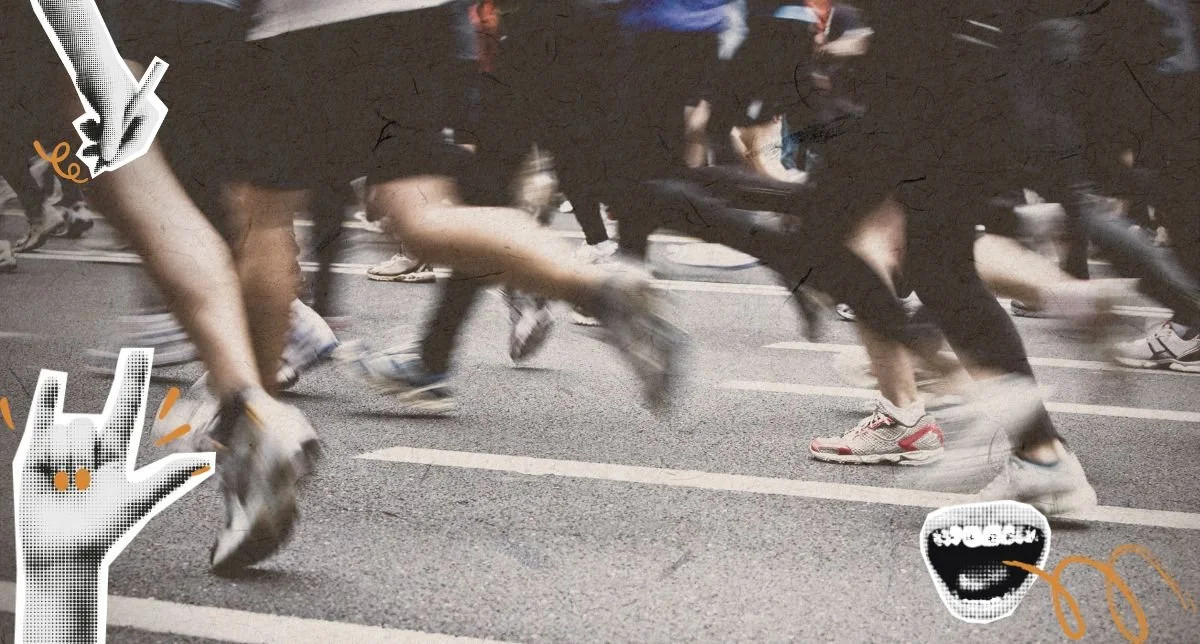
Something shifted after Covid.
We spent years online out of necessity. Work moved to screens, friendships to group chats, entertainment to feeds. It kept everything functioning, but it exposed something uncomfortable. Being connected is not the same as belonging.
Now we are seeing a correction. People want to feel part of something again. They want rooms, not just reach. Shared experiences, not just shared content. That shift is reshaping creator marketing in a very real way.
The creators thriving in 2026 are not the loudest or the biggest. They are the ones building community first. Follower counts matter less than whether a creator has built a space people return to.
Community-first creators have audiences who show up consistently. They comment, attend and feel recognised.
That might look like:
– Podcasts that sell out live recordings – Run clubs, book clubs, supper clubs – Ticketed tours and in-person shows – Newsletters that spark real conversation
These creators are not just producing content. They are hosting spaces. In a post-Covid world where isolation quietly increased, that role carries weight.
Why in-person matters again
Physical gatherings are back. Live shows are selling out. Independent events are thriving. Niche communities are organising offline meet-ups. This is not nostalgia. It is a response to a genuine need.
When a creator can move their audience from online attention to real-world attendance, it signals depth of trust that no impression metric can replicate.
Why this matters for brands
This shift creates opportunity beyond digital placements. Sponsoring live shows, run clubs, workshops or community meet-ups allows a brand to show up inside an existing culture rather than interrupt it.
That might mean supporting venue costs, underwriting ticket prices, providing product in a way that feels natural to the setting, or co-creating moments that genuinely add value to attendees. The key is subtle integration. Branding should enhance the experience, not dominate it.
When done well, the brand becomes part of a shared memory rather than just a logo on a post. That association lasts far longer than a single sponsored placement.
Creators are becoming community leaders, event hosts and platform builders. They are blending digital and physical spaces and focusing less on virality and more on sustainability.Brands that recognise this cultural shift will build deeper relevance. Those still chasing surface-level visibility will struggle to cut through. The real question is no longer how many people saw your campaign. It is whether anyone felt part of it.
Get in touch if you want to build campaigns that people actually show up for.